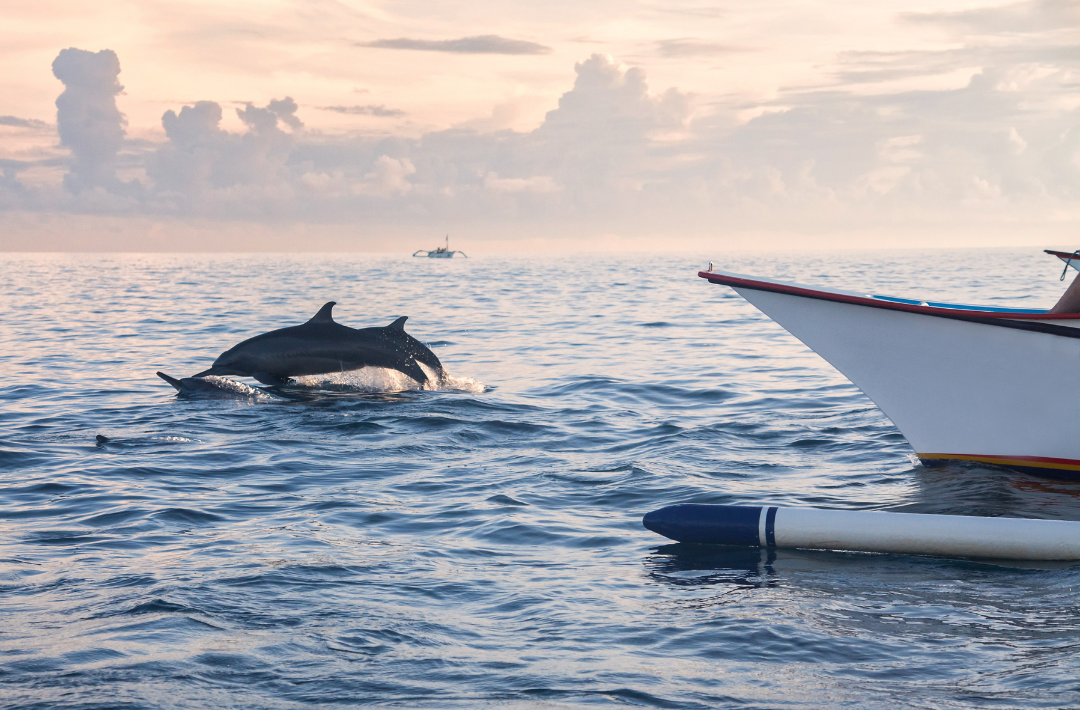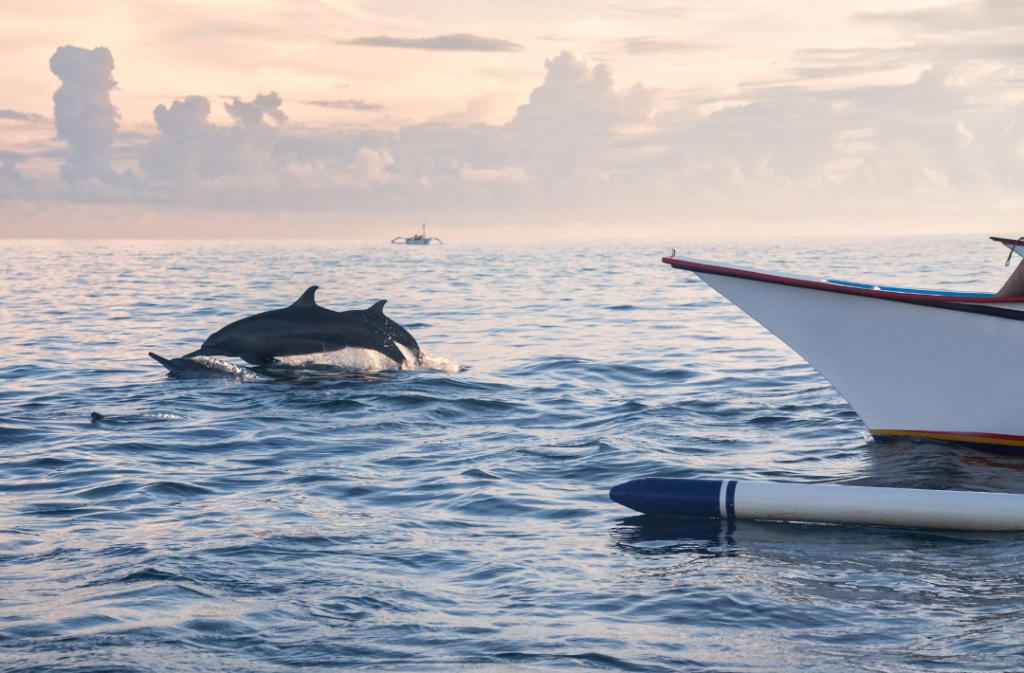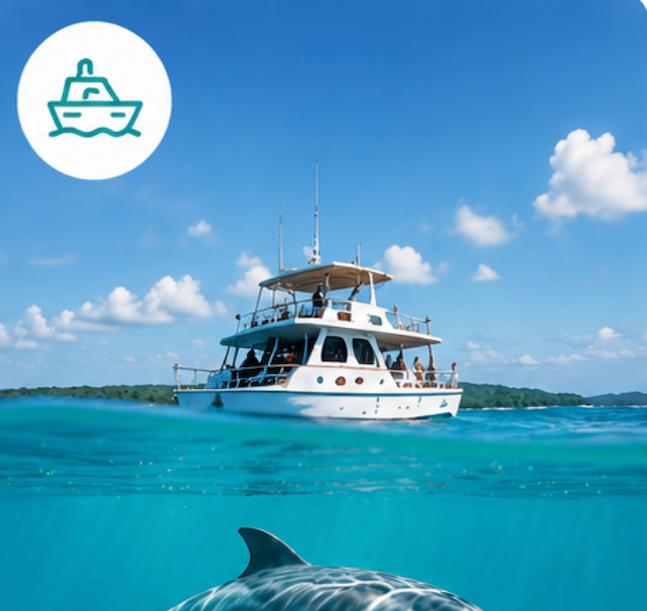








Practical guidance for responsible boat tours and real-life dolphin encounters
Travel ethically with dolphins in the wild
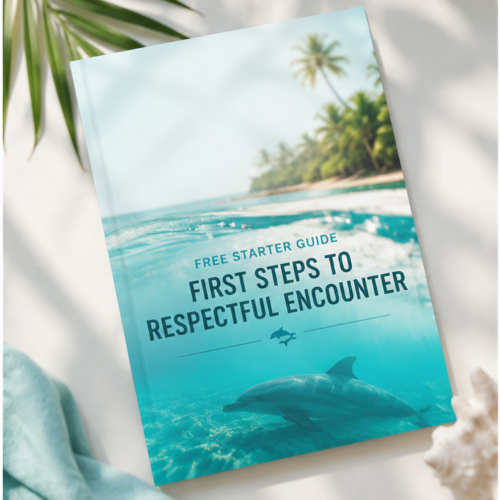
Get the free Starter Guide

What “ethical” travel means

Ethical dolphin travel is simple in theory but could be very complex in practice. Dolphins do not exist for our entertainment. The interaction should happen on their terms. The goal is to observe without shaping their behaviour, stressing them, separating them, feeding them, chasing them, or turning the ocean into a stage.


Principles:

  • No chasing. If the boat follows, accelerates, cuts off, or boxes dolphins in, it’s not ethical.
  • No high speed. Speeding boats increase noise, stress and the risk of injury.
    No feeding. Feeding changes behaviour and creates risk.
  • No touching. Dolphins choose distance, humans respect it.
  • No forced swimming. The activity should depend on dolphins behaviors and on calves (babies) presence, otherwise it can become pressure, not “connection.”
  • Distance matters. Ethical operators keep space, slow down, and don’t crowd.
  • Time matters. Ethical encounters are limited in duration, not milked.
  • Noise matters. Engines, speed, shouting, music, drones, splash entry all affect wildlife.
  • Captivity is out. Dolphins Whisper does not support venues, shows, or programs built on confinement.

Prefer listening? Hear conversations and real stories in the Dolphins Whisper podcast.


Ethical Dolphin Travel

A conscious approach thst includes awareness, respect and informed choices, to protect dolphins in the long term.

Responsible travel begins with understanding.


Every interaction, every decision and every presence in the ocean has an impact on dolphins and their natural behavior.


By learning how to observe without disturbing, choosing ethical operators and recognizing the signs of stress and comfort, we can transform tourism into a force that supports protection rather than harm.


We learn when to get closer and when to step back.
Respect for Distance — 100%0%
Understanding Behavior — 90%0%
Conscious Presence 0%
Ethical Choices0%

Quick decision: What kind of situation are you in?

People land on this page for two reasons.

Either you’re planning a dolphin tour and want to book well, or you’re already on the water and dolphins show up. 


A: I’m planning a tour

You need: operator criteria, questions, red flags, trip preperation.


B: I’m already on a boat and dolphins appear

You need: on-the-water rules, what to do, what to avoid


How to choose a responsible dolphin operator

A lot of operators call themselves “ethical.” What matters is behaviour on the water, not the marketing.


Common greenwashing patterns

“We love dolphins” language with no clear rules“Swim with dolphins” framed as therapeutic “Guaranteed sightings” and pressure to chase Big groups, multiple boats surrounding the same pod Photo-first behaviour: cutting off dolphins for a better shot  Vague claims like “eco-friendly” without distance/time/noise policies

Common greenwashing patterns

“We love dolphins” language with no clear rules “Swim with dolphins” framed as therapeutic “Guaranteed sightings” and pressure to chase Big groups, multiple boats surrounding the same pod Photo-first behaviour: cutting off dolphins for a better shot  Vague claims like “eco-friendly” without distance/time/noise policies

Common greenwashing patterns

  • “We love dolphins” language with no clear rules
  • “Swim with dolphins” framed as therapeutic
  • “Guaranteed sightings” and pressure to chase
  • Big groups, multiple boats surrounding the same pod
  • Photo-first behaviour: cutting off dolphins for a better shot
  •  Vague claims like “eco-friendly” without distance/time/noise policies
What ethical operators do differently

  • They brief guests clearly before departure
  • They limit speed and keep distance without needing to be told
  • They reduce time near a pod and move on
  • They avoid mothers with calves and don’t split groups
  • They follow local codes, and if there’s no code, they follow strict internal rules
  • They welcome questions and answer clearly

They to cancel the dolphin encounters if needed

5 must-ask questions (preview)

1. What distance do you keep from dolphins

2. What do you do if dolphins approach the boat?

3. How long do you stay with one group?

4. How many boats are allowed near the dolphins at once?

5. Do you feed, attract, or enter the water with dolphins?

Want the full operator checklist, red flags and a simple scoring system?


On-the-water rules for surprise encounters.

People land on this page for two reasons. Either you’re planning a dolphin tour and want to book well, or you’re already on the water and dolphins show up.

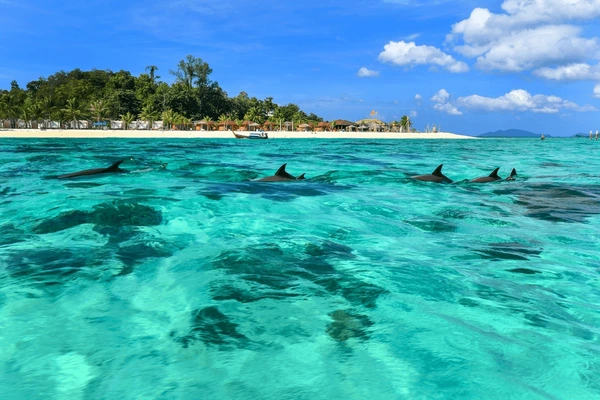
If dolphins appear, here’s what to do:


Do

  • Stay calm and quiet. Lower voices, reduce sudden movement.
  • Let the boat slow down. Slow is safer and less intrusive.
  • Watch behaviour. If dolphins change direction, speed up, scatter, or disappear, the boat is too close or too loud.
  • Give them space. If multiple boats arrive, the ethical choice is to leave.
  • Respect calves. If you see small ones, the interaction should be shorter and gentler, or skipped.
    Once you did your research and chose the right dolphin watching operator and you are on the boat, respect the professional experience and local knowledge of the guide and the captain, while staying grounded in ethical standards.
Don’t

  • Don’t shout, clap, splash, or throw anything in the water
  • Don’t pressure the crew to chase, follow, or “get closer”
  • Don’t encourage swimming unless it is a regulated program with strict rules (and even then, be cautious)
  • Don’t use drones or loud music
  • Don’t frame a stressed animal as “playful” because it looks cute on camera


    If you need to speak up:

    “Could we slow down and give them more space? I’d rather watch from a distance than chase them.”

Want the full operator checklist, red flags and a simple scoring system?


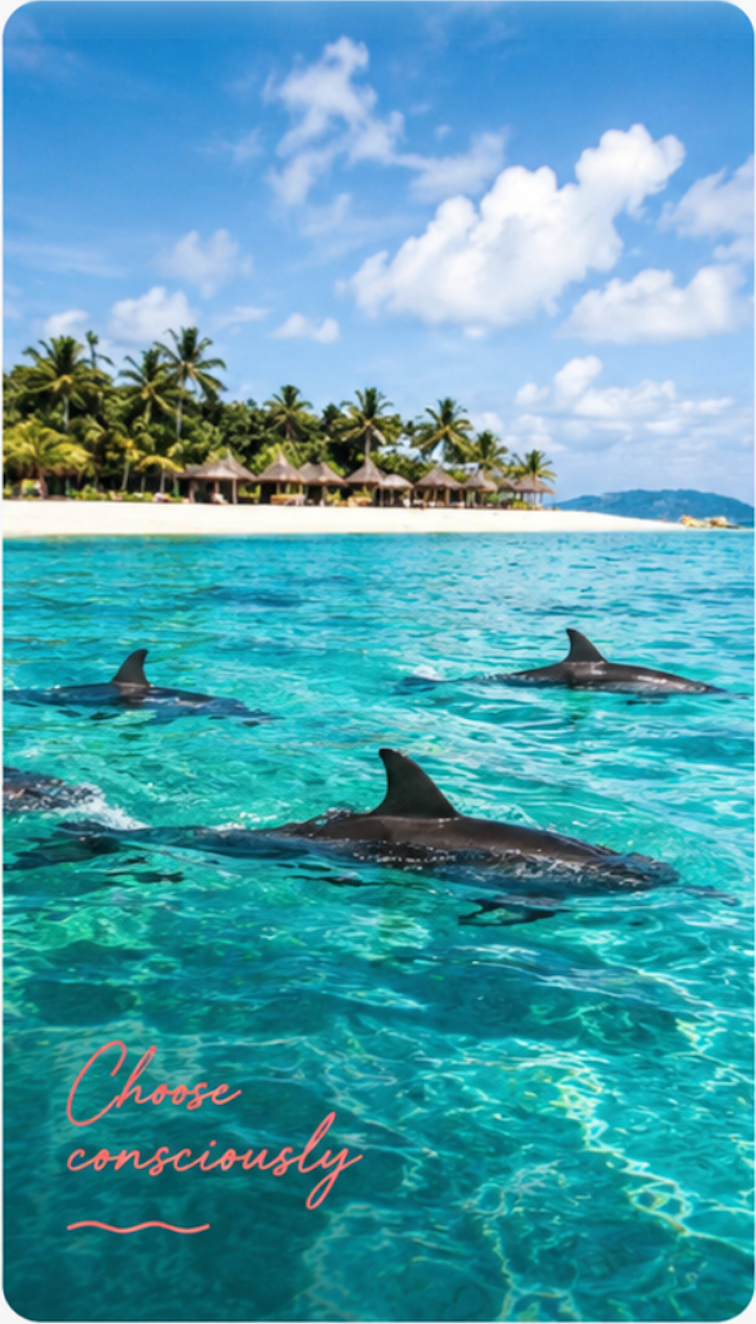
On-the-Water Dolphin Rules: What to Do When Dolphins Appear

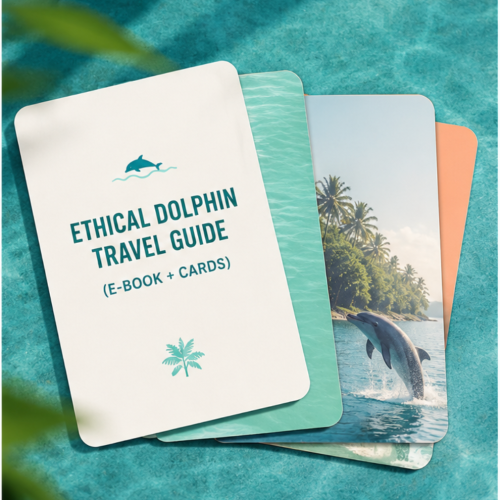
Printable cards available in the Ethical Dolphin Travel Guide

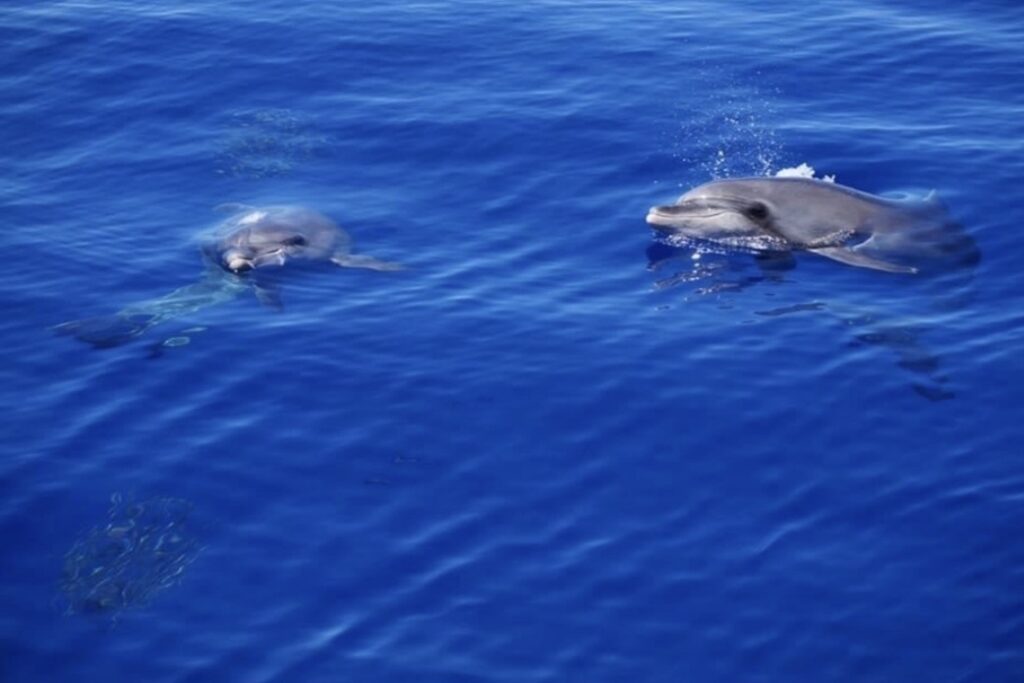
school-dolphins-front-pristine-white-600nw-2442637365

Locations and trip types

There’s no perfect destination. What matters is regulation, operator culture and how encounters are managed. Some places simply make ethical practice easier.

What matters more than “the best place”

  • Are there local wildlife rules and enforcement?
    How many excursions (all operators included) are happening in a day?
  • Do operators brief guests and follow distance/time limits?
  • Is the area overcrowded with boats?

Are they allowed to swim and in what conditions ?

  • Are dolphins approached daily as entertainment?

Trip types 

  • Shore-based viewing: often less intrusive if you keep distance and don’t pursue
  • Small boat tours: can be ethical or terrible, depends on operator behaviour
  • Research-style tours: usually calmer and more educational
  • “Swim with dolphins” tours: highest risk of pressure, chasing, and disruption

 The paid guide includes how to evaluate a location and choose a tour type based on risk. 


The ethical travel flow: Before / During / After essentials

Ethical travel is a sequence. The biggest impact happens before you ever step on a boat.

  • Before the trip

    • Vet operators using clear questions
    • Choose smaller groups
    • Avoid “guaranteed sightings” marketing
    • Decide your boundaries (distance, no swim, no chase)
  • During the trip

    • Follow the rules above
    • Prioritise calm observation over closeness
    • Leave if the situation becomes crowded or aggressive
  • After the trip

    • Share responsibly (avoid content that normalises chasing or touching)
    • Leave accurate reviews
    • Report harmful practices when necessary

All checklists and the full operator question list are inside the Ethical Dolphin Travel Guide.

Products

If you’re curious, the free guide is enough. If you’re booking a trip or stepping onto a boat, you’ll want the paid guide.

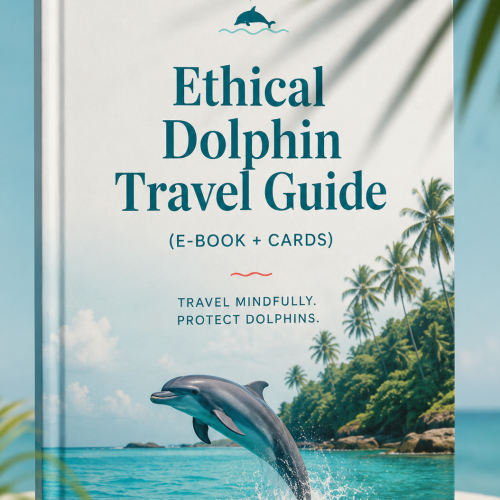
Ethical Dolphin Travel Guide

(E-book + Cards)

Plan an ethical boat tour or be ready for dolphin encounters in the wild It’s for people who:

  • Are planning a dolphin boat tour
  • Want to choose operators without falling for “ethical” marketing
  • May find themselves on a boat when dolphins appear and need to act fast
  • Want clear rules they can follow in real situations

Includes:

  • Quick dolphin basics 
  • Species overview (what to expect, how behavior differs)
  • Operator selection system (avoid false “ethical” marketing)
  • Location and trip-type guidance
  • Before / during / after essentials
  • Safety and respect rules (checklists)
  • Operator questions list (to vet tours)
  • Packing list
e-book
e-book

New here? Start with the free guide

The Free Starter Guide helps you:

  • Learn the basic myths vs reality
  • Understand why captivity is harmful
  • Learn what “ethical” actually means in principle
  • Build awareness before you travel

If you want to learn, start here.

Travel in a way that protects dolphins

Ethical travel is not perfect. It’s careful. It’s informed. It’s refusing to turn wildlife into content.

If you want a guide for real situations, start here.